Truman Capote, In Cold Blood
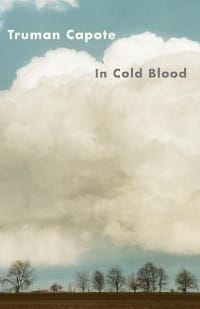
I'm late to the party reading Truman Capote's true crime classic In Cold Blood. Most people are probably familiar with the basics of the story, either from the book itself or from the film that was made of it (which I've not yet seen): In 1959, four members of the Clutter family were murdered in their farmhouse in Holcomb, Kansas, a crime that initially baffled investigators. Capote traveled to Holcomb (with his friend Harper Lee) to interview the townspeople and investigators and write about the case. His book, which was published in 1966, covers the events that preceded the murders, the crime itself, the investigation and trial, and the imprisonment and execution of the culprits. It ends with a lovely and surprisingly moving epilogue, which made me realize that the author had succeeded in depicting the Clutters as real people whose deaths can still feel tragic 65 years later.
Capote's prose is at times beautiful, particularly at the beginning of the book when he is describing the remote Kansas landscape that forms the backdrop of the story. But elsewhere too, I was struck by the quality of the prose. Reading his account, I got a sense of Capote being on the scene in the aftermath of the murders, talking to people and soaking in the feel of the place, and yet he never explicitly inserts himself into the narrative. (After finishing the book, I was curious about the circumstances of its composition and so read this 1966 interview of Capote by George Plimpton. It's an interesting read, and it's very clear from it that Capote was a very intelligent and thoughtful writer.)
I've seen In Cold Blood described as frightening. I may just be numb—and I do think I lack imagination when I'm reading, so that the film version of this story might have a different effect on me—but I didn't think it frightening in the least. Sad, tragic, unnecessary, all that: I can certainly regret the evil or lack of humanity or wretchedness of the human condition that propelled the two killers toward Kansas and the utterly unnecessary, unprovoked murders they committed there. But no, I wouldn't classify the book as a scary read.
Member discussion